




By Dianna Cacko, Area Sales Manager at Mitsubishi Electric Trane HVAC US
- Jump to Is your current HVAC system ready for another winter?
- Jump to Can a heat pump really work in cold weather?
- Jump to What can I do if some rooms in my home are colder than others?
- Jump to Are smart thermostats and controls worth adding before winter?
- Jump to How can I lower my heating costs this winter?
- Jump to Which HVAC upgrades should you prioritize before winter?
When you start getting your home ready for winter, HVAC upgrades may be only one item on a much longer to-do list. Many homeowners are removing window AC units, getting out space heaters, cleaning gutters, raking leaves, scheduling fuel oil or propane deliveries, or chopping wood before colder weather sets in. The challenge is determining which tasks are simply seasonal maintenance and which investments may provide more meaningful comfort and long-term value.
Preparation is important because heating accounts for approximately 40% of a home's energy use during colder months, making it one of the largest contributors to household energy costs.
Understanding how your current system is performing and identifying opportunities to improve comfort and control can help you make more informed decisions before temperatures drop.
Key Takeaways<br>
- Evaluate your HVAC system before winter to identify performance issues and avoid emergency repairs.
- Modern all-electric, all-climate heat pumps can provide reliable heating even in freezing temperatures.
- Zoning systems help address rooms that consistently feel too hot or too cold.
- Smart controls can align heating schedules with your daily routine.
- The right upgrade depends on your home's comfort challenges, equipment condition, and energy goals.
<a id="is-your-current-hvac-system-ready-for-another-winter"></a>Is your current HVAC system ready for another winter?
The best way to determine whether your HVAC system is ready for winter is to assess its age, performance, energy use, and history of repairs before cold weather arrives.
According to the METUS HVAC Replacement & Upgrade Guide, most central air conditioners last between 12 and 17 years, while furnaces often last 15 to 25 years depending on maintenance and operating conditions.
Over time, heating equipment can become less efficient and more prone to maintenance issues. Rising utility bills, uneven temperatures, unusual noises, and frequent repairs may indicate that your system is working harder than it should to keep your home comfortable.
Identifying potential issues before winter arrives can help you avoid emergency repairs during peak heating season. Even if replacement isn't necessary, a professional inspection can reveal opportunities to improve performance before colder weather sets in.
What you can do:<br>
- Switch to heating mode on your heat pump or test your furnace on the first cool night.
- Clean or replace dirty filters and make sure air can move freely through the system.
- Schedule a professional heating system inspection before the winter rush.
- Ask your contractor whether your equipment is nearing the end of its expected lifespan.
<a id="can-a-heat-pump-really-work-in-cold-weather"></a>Can a heat pump really work in cold weather?
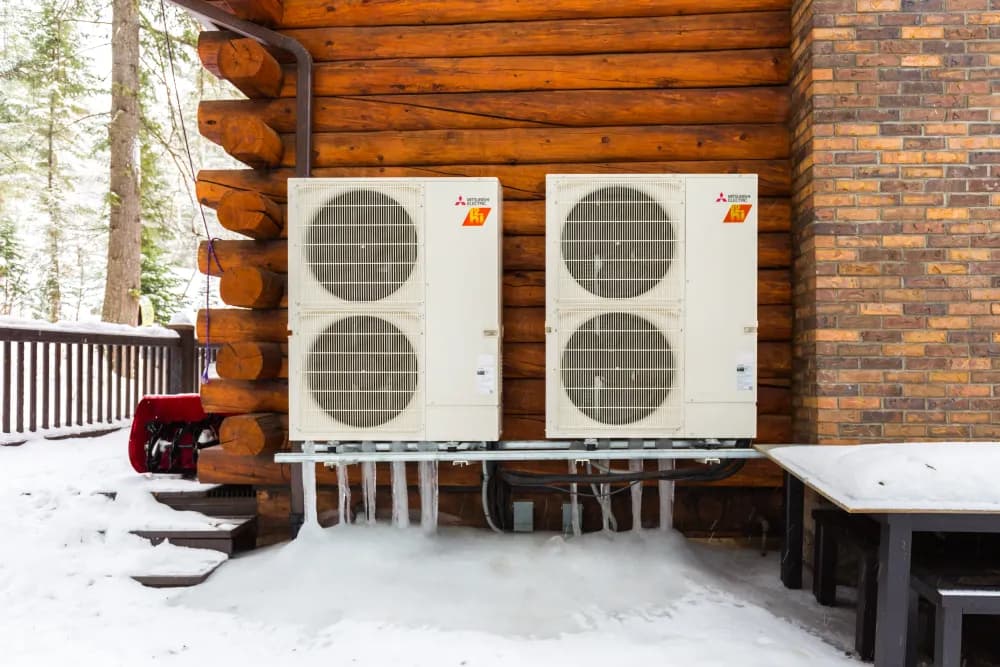
Yes, modern all-climate heat pumps are designed to provide reliable heating in freezing temperatures and can be an effective option for many cold-weather regions.
One of the most common misconceptions about heat pumps is that they only work effectively in mild climates. The myth persists largely because earlier heat pump models were less effective in extremely cold conditions than today's advanced systems.
That cold-weather performance is why it is important to look at the full system, not just the idea of a heat pump in general. The FX Deluxe Wall-mounted Indoor Unit® by Mitsubishi Electric, for example, can pair with H2i sumo outdoor units to deliver 100% heating capacity at an outdoor temperature of -10° F, with guaranteed operation down to -22° F. The unit was also recognized as a winner in the 2025 New York Product Design Awards, where judges highlighted its precision comfort, energy efficiency, expanded capacity, built-in Wi-Fi, 3D i-see Sensor, and sleek matte finish.
What you can do:<br>
- Compare heating technologies based on efficiency, performance and your home's specific needs.
- Ask your HVAC contractor whether Hyper-Heating Inverter technology makes sense for your climate.
- Consider how heating costs may offset one another. Homeowners who use oil throughout the winter may find it more efficient to switch to an inverter-driven system for most heating needs and reserve oil heat for extreme weather, if needed.
- Consider adding a mini-split, or single-zone system, to provide dedicated heating for specific areas of the home that need additional comfort and temperature control.
<a id="what-can-i-do-if-some-rooms-in-my-home-are-colder-than-others"></a>What can I do if some rooms in my home are colder than others?
HVAC zoning can improve winter comfort by allowing different areas of the home to maintain temperatures based on how each space is used.
Uneven temperatures are one of the most common winter complaints. A finished basement may feel chilly, an upstairs bedroom may feel too warm, or an addition may never seem to match the rest of the house.
Instead of relying on one thermostat for the entire house, zoning gives you greater control over the spaces your family uses most.
Multi-zone heat pump systems can connect several indoor units to a single outdoor unit, allowing the temperatures of rooms and living areas to be controlled independently. This approach can help create a more customized experience throughout your home.
What you can do:<br>
- Identify rooms that consistently feel colder or warmer than the rest of the home.
- Ask your HVAC contractor about systems that offer room-by-room temperature control.
- Focus comfort where you spend the most time.
<a id="are-smart-thermostats-and-controls-worth-adding-before-winter"></a>Are smart thermostats and controls worth adding before winter?
For many homeowners, smart thermostats and controls are a worthwhile upgrade because they make it easier to manage comfort throughout the winter season.
Heating performance depends on more than the equipment itself. Controls also play a role in how easily you manage temperatures throughout the day.
Many smart controls allow you to create schedules, adjust settings remotely, and align heating operation with your household's routine. For households with varying schedules, these tools can make it easier to avoid heating unused spaces longer than necessary.
For eligible systems, the Comfort app by Mitsubishi Electric allows homeowners to monitor and adjust settings from a smartphone. Whether you're at home or away, remote access can make managing temperatures more convenient.
Controls won't solve every heating concern, but they can be a valuable addition when paired with the right HVAC system.
What you can do:<br>
-
Identify your comfort needs<br> Consider whether you want remote system access, centralized control for multiple zones, or simple whole-home control. Understanding your priorities will help you find the right solution.
-
Talk with a contractor<br> Share your comfort goals and preferences so they can recommend options or design a system tailored to your home.
-
Compare your options<br> Review the available solutions and choose the one that best fits your needs.
<a id="how-can-i-lower-my-heating-costs-this-winter"></a>How can I lower my heating costs this winter?
Regular maintenance and, when appropriate, upgrading older equipment can help your heating system run more efficiently during the winter months.
For many homeowners, winter heating bills are a major concern. According to a homeowner survey conducted by METUS, 83% of respondents expressed concern about the impact of energy costs on their household budgets.
Newer HVAC technology may help some households use energy more efficiently, depending on the home, equipment, climate, and usage patterns. Variable-capacity systems, for example, can adjust output based on heating demand instead of cycling on and off at full capacity. This approach helps support more consistent temperatures while aligning system operation more closely to household needs.
What you can do:<br>
- Ask your HVAC contractor whether aging or inefficient equipment is costing more to operate than it should.
- Keep up with preventive maintenance to support efficient performance.
<a id="which-hvac-upgrades-should-you-prioritize-before-winter"></a>Which HVAC upgrades should you prioritize before winter?
The HVAC upgrades worth prioritizing before winter depend on your home's comfort challenges, equipment condition, energy goals, and long-term budget. For some homeowners, routine maintenance and smaller improvements may be enough to prepare for another heating season. Others may benefit from larger investments such as an all-climate heat pump, zoning solution, or upgraded controls.
Rather than focusing solely on equipment age, consider how well the system currently meets your heating and temperature-control needs. Are certain rooms uncomfortable during winter? Are energy bills increasing? Does your system require frequent repairs? The answers to these questions can help determine which upgrades are most likely to deliver value.
Working with a qualified HVAC professional can help you evaluate your home's specific needs and prioritize upgrades that align with both your budget and comfort goals.
For added confidence, consider working with an HVAC pro who is part of the Mitsubishi Electric Diamond Contractor® Program. Diamond Contractors are independent contractors in your community who have completed advanced Mitsubishi Electric product training and accreditation.
Dianna Cacko, Area Sales Manager, METUS<br>
Dianna Cacko is an Area Sales Manager at Mitsubishi Electric Trane HVAC US (METUS), where she works with contractors, distributors, and industry partners to advance energy-efficient heating and cooling solutions. With more than 15 years of experience in energy efficiency, building performance, and HVAC technologies, Dianna is passionate about accelerating heat pump adoption and improving building sustainability.

